
100–150 HP Cab Tractor Buying Guide: What to Check
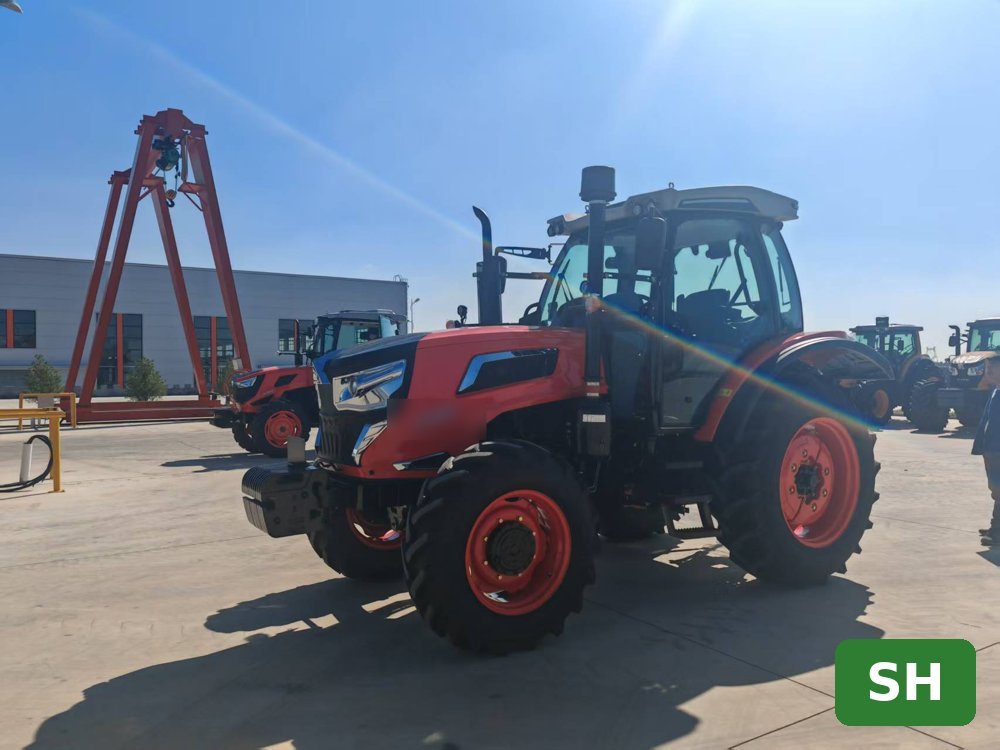
When a farm grows past what a 50–70 hp tractor can handle, the next step is usually a 100-150 hp tractor with four-wheel drive and a cab. This class pulls large disc harrows, reversible ploughs and wide seeders, works long days in comfort and can run heavy PTO implements. This guide explains what to look for in a 100-150 hp cab tractor and how the SH-1004 is specified.
Who Needs a 100-150 HP Tractor?
- Farms of large field size that need to cover more hectares per day.
- Contractors who plough, harrow and plant for many customers.
- Growers using heavy primary tillage – hydraulic reversible ploughs, heavy disc harrows and subsoilers.
- Operations running wide implements that need high lift capacity and a strong hydraulic system.
SH-1004 Key Specifications
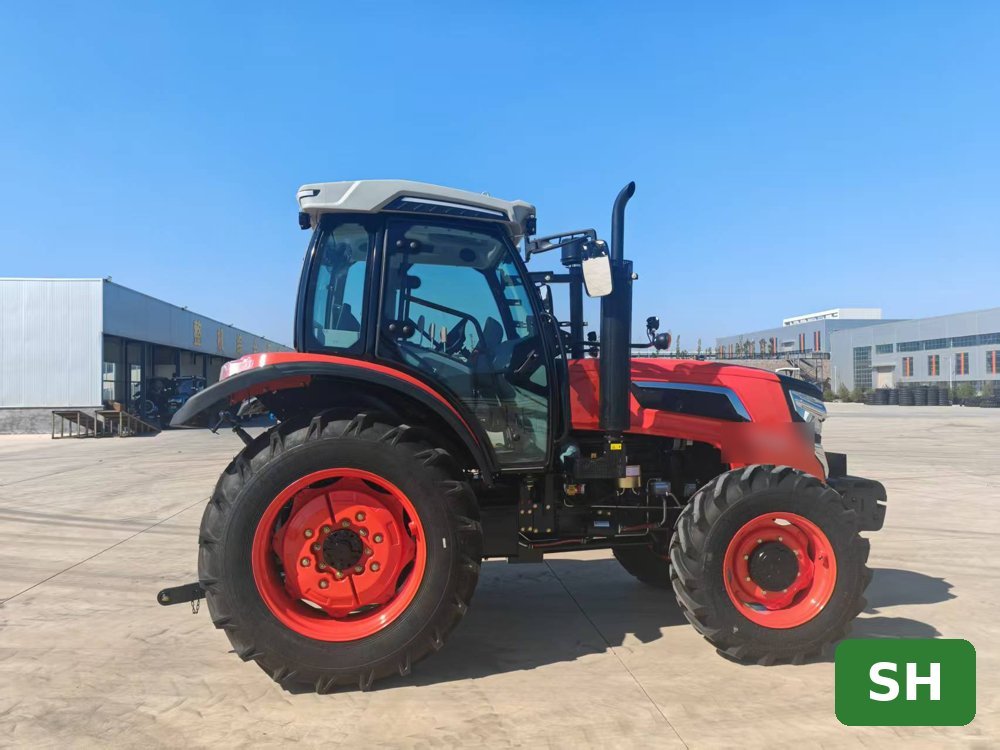
| Power class | 100-150 hp |
|---|---|
| Drive | 4WD |
| Gearbox | TDF16+8 |
| Operator protection | Heated cab |
| Hydraulics | Forced, 3-group valve |
| PTO | 6 splines, 760/850 r/min |
| Tyres (front / rear) | 12.4-24 / 16.9-34 |
| Counterweight | Front 300 kg / rear 96 kg |
| Overall size | 4750 × 2110 × 2940 mm |
| Weight | 5000 kg |
What to Check When Buying a 100-150 HP Tractor
1. Why a 4WD tractor
At this power, a 4WD tractor is essential. It puts power to the ground with less wheel slip, which saves fuel and reduces soil damage, especially in heavy tillage and wet conditions.
2. Gearbox range
A gearbox with many forward speeds lets you pick the right speed for each job – slow for heavy ploughing, faster for harrowing and transport. The SH-1004 uses a 16 forward / 8 reverse gearbox.
3. Hydraulics
Count the hydraulic valve groups you need. A reversible plough needs one for turnover, a folding harrow one for the wings, and a seeder may need another. Three valve groups cover most combinations.
4. PTO speed
Check that the tractor’s PTO speeds match the implements you plan to run. Tell us which PTO-driven machines you use and we will confirm compatibility.
5. Cab tractor comfort
Long days in dust, heat or cold are tiring. A heated cab keeps the operator alert and protected, which matters for safety and for getting work done on time.
6. Ballast and tyres
Heavy rear-mounted implements need front ballast to keep steering. Large 16.9-34 rear tyres spread the weight and improve traction.
Keeping Running Costs Down
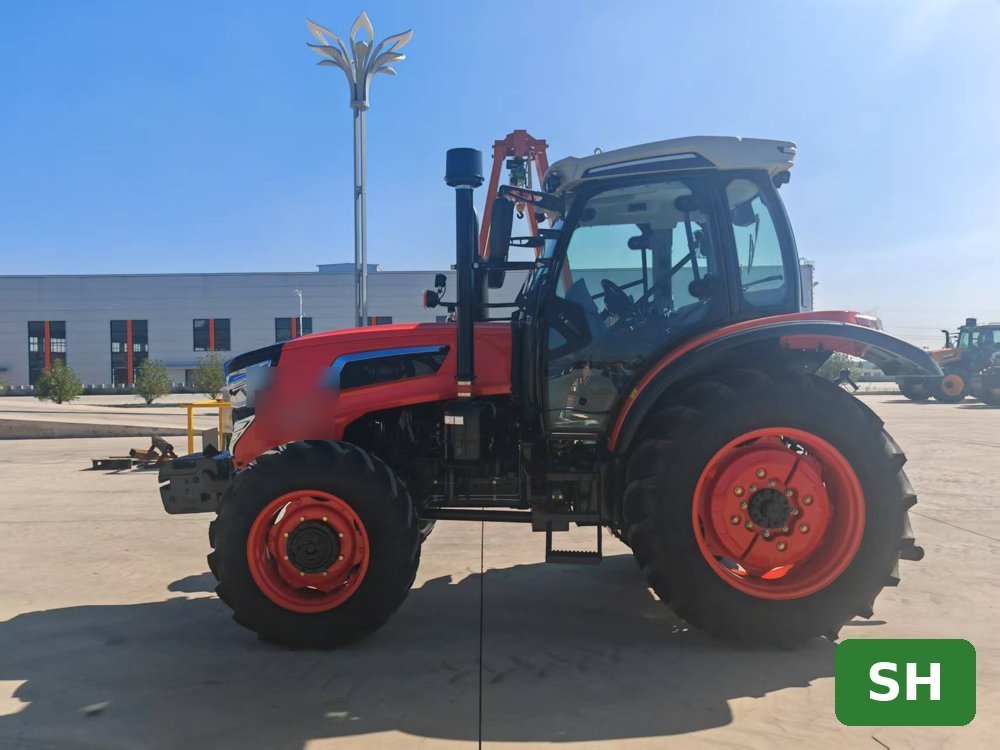
A high horsepower tractor uses more fuel per hour, but it also covers more hectares per hour, so the cost per hectare can be lower – as long as it is working at a good load. Avoid using a 100-150 hp tractor for light jobs that a small tractor could do. Match ground speed to the implement, keep tyre pressure correct to reduce slip, and plan field work so the tractor spends less time travelling empty between fields. Good records of fuel use and working hours help you see which jobs pay.
Matching Implements
A 100-150 hp tractor is the right partner for large disc harrows, multi-furrow reversible ploughs, wide rotary tillers and big trailers. Use our tractor horsepower guide to size each implement, and see the harrows and ploughs pages for models in this power range.
Maintenance Basics
- Change engine oil and filters at the intervals in the operator’s manual, and more often in dusty conditions.
- Clean the air filter and radiator screen daily during dusty work.
- Check tyre pressure weekly; the right pressure improves traction and reduces wear.
- Grease the front axle pivots and linkage joints regularly.
Matching tractor power to the farm’s real needs is a key point in the FAO’s work on sustainable agricultural mechanization.
Not sure which model fits your tractor? Use our selection assistant, message us on WhatsApp +86 133 8469 2372 or .
FAQ
Is 100-150 hp too big for my farm?
If your largest implements need less than 70 hp, a smaller tractor such as the 50–70 hp class is cheaper to run. Send us your field size and implements and we will advise.
Is the SH-1004 a farm tractor with a cab?
Yes, the SH-1004 is a cab tractor with a heated cab.
How many hydraulic outlets does it have?
It has a forced hydraulic system with a 3-group valve.
Get a Quote
Tell us your farm size, main implements and destination port. Compare every tractor from 20 to 200 hp on our tractors page.
Comments
Please log in to join the discussion. Log in Register