
Disc Plough vs Mouldboard Plough: 6 Key Differences Before You Buy
Disc plough or mouldboard plough? Both turn the soil before planting, but they work in very different ways and suit different fields. A disc plough rolls through hard, dry, stony or root-filled ground; a mouldboard plough cuts and inverts a clean furrow slice and buries residue more completely. This guide explains six key differences and shows which of our plough models fits each tractor size.
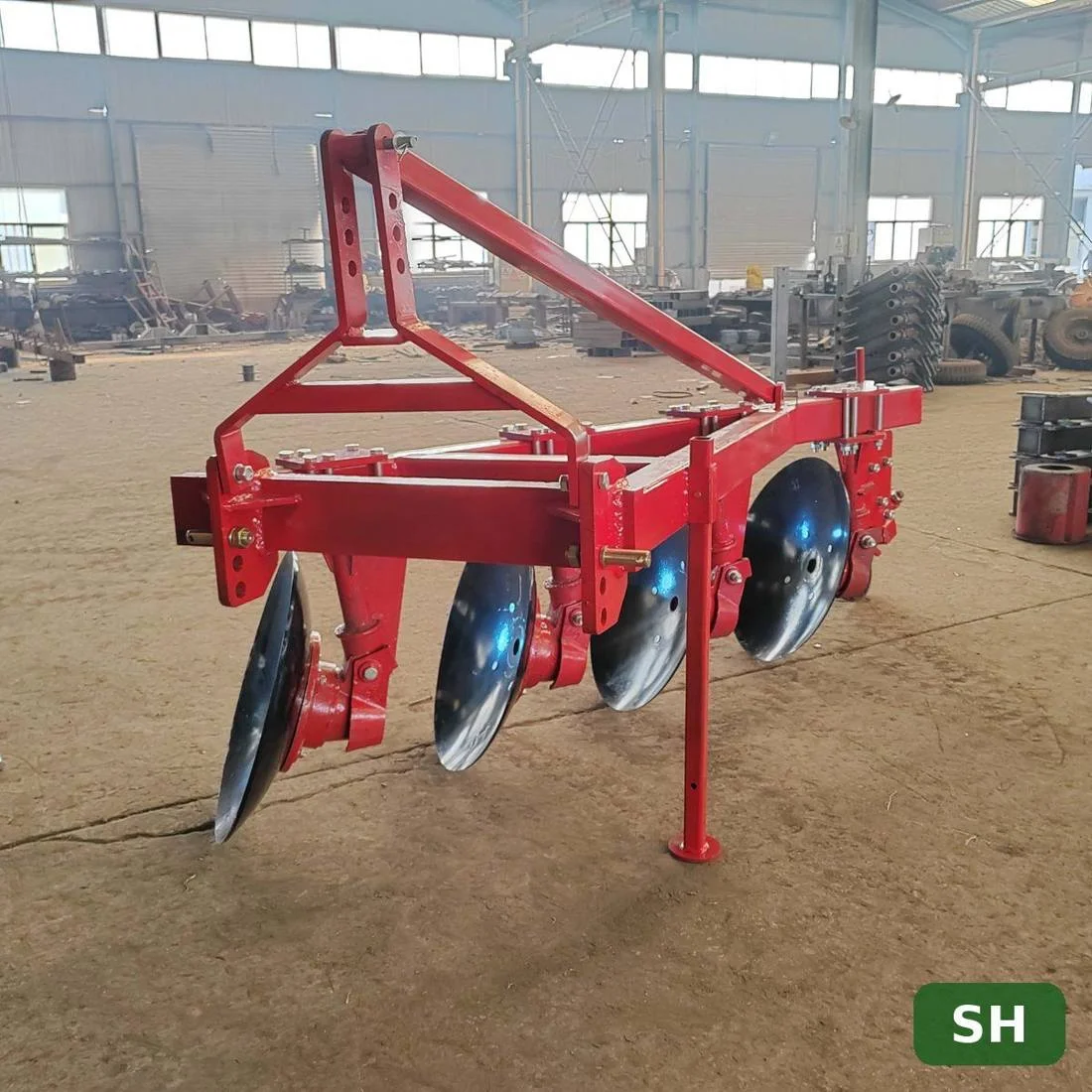
How a Disc Plough Works
This type of plough uses large concave steel discs set at an angle to the direction of travel. The discs rotate as the tractor pulls them, cutting and lifting the soil and throwing it to one side. Because the discs roll rather than slide, it rides over stones and roots instead of breaking, and it penetrates hard, dry and sticky soils where a share would struggle. We build steel plate models with 2–6 discs of 460–710 mm diameter, and round tube models with 2–5 discs of 710 mm diameter.
How a Mouldboard Plough Works
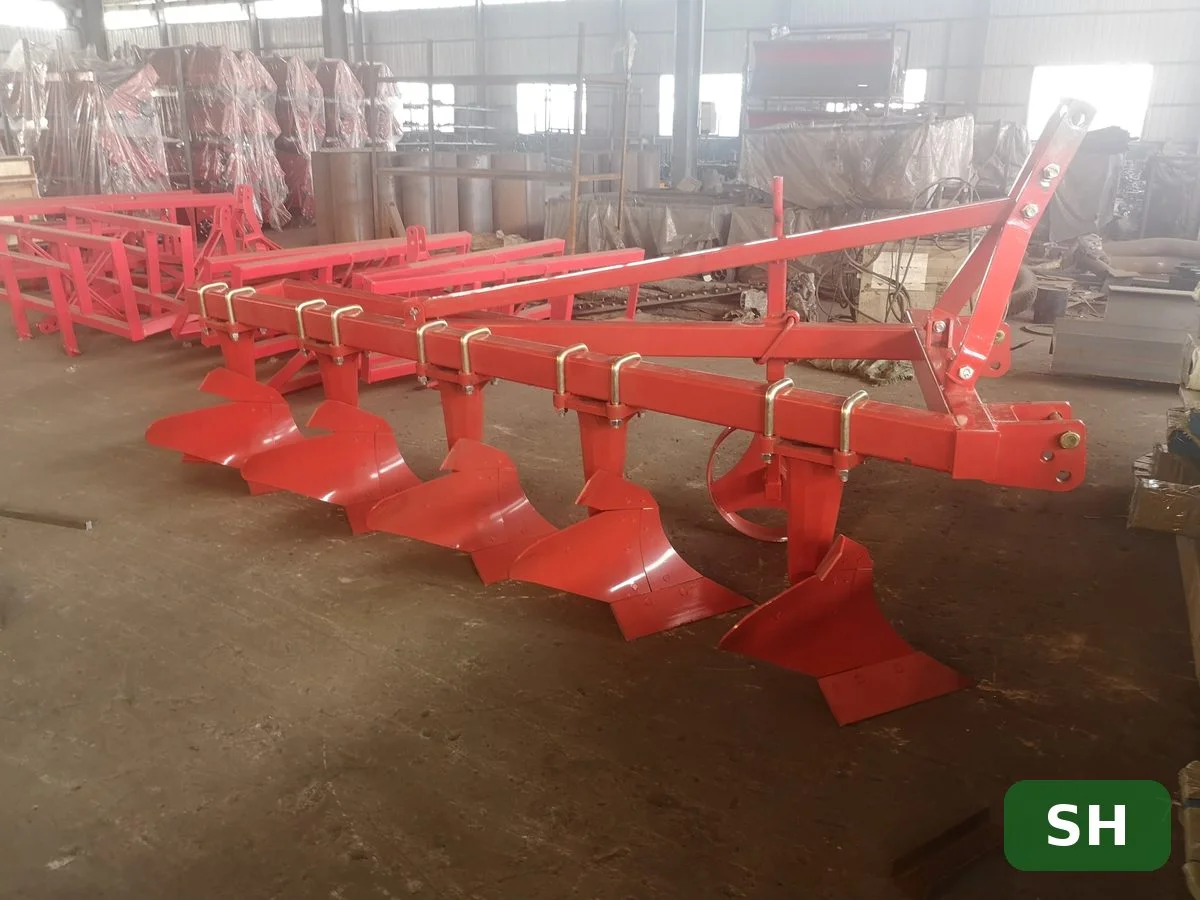
A mouldboard plough uses a pointed share to cut the furrow slice horizontally, and a curved mouldboard to lift and turn it upside down. The result is a clean, fully inverted furrow that buries weeds, stubble and crop residue. Our mouldboard ploughs come with 2–6 shares for 15–120 hp tractors, and hydraulic reversible models with 6–10 shares for 120–240 hp.
Not sure which plough suits your soil? Send your soil type, tractor horsepower and ploughing depth on WhatsApp +86 133 8469 2372 and we will recommend a model and send a quotation.
Disc Plough vs Mouldboard Plough: 6 Key Differences
- Soil conditions: a disc plough is better in hard, dry, stony, root-filled and sticky clay soils. A mouldboard plough works best in friable loam and soils without many stones.
- Residue burial: the mouldboard plough inverts the slice and buries trash more completely. Discs mix residue into the soil and leave more on the surface.
- Working depth: our disc models work at 180–300 mm. Mouldboard ploughs work at 180–350 mm, and hydraulic reversible models reach 350–400 mm.
- Breakage risk: rolling discs ride over obstacles. Shares can hit hidden stones and need shear bolts or careful operation.
- Finish: a mouldboard plough leaves a more even, cleaner surface; discs leave a rougher surface that usually needs a harrow pass.
- Wear parts: disc models replace discs and bearings; mouldboard ploughs replace shares, landsides and mouldboard wear plates.
Matching a Disc Plough to Your Tractor
These pairings come from our published model data. See all models on our ploughs page.
- 1SH-315 (3 × 460 mm discs): 18–25 hp, 0.6 m width.
- 1SH-320 (3 × 510 mm discs): 25–40 hp, 0.6 m width.
- 1SH-325 (3 × 660 mm discs): 50–70 hp, 0.75 m width, 250–300 mm depth.
- 1SH-425 (4 × 660 mm discs): about 80 hp, 1 m width.
- 1SH-525 / 1SH-625: 100 hp and 120 hp and above.
- Round tube 1SH-230 to 1SH-530: 40–120 hp, output 0.3–0.75 ha/h.
Matching a Mouldboard Plough to Your Tractor
- Light series (1SH-220 to 1SH-525): 2–5 shares, 15–70 hp, 180–250 mm depth.
- Medium series (1SH-330 to 1SH-530): 3–5 shares, 50–100 hp, 260–300 mm depth.
- Heavy series (1SH-335 to 1SH-635): 3–6 shares, 50–120 hp, 280–350 mm depth.
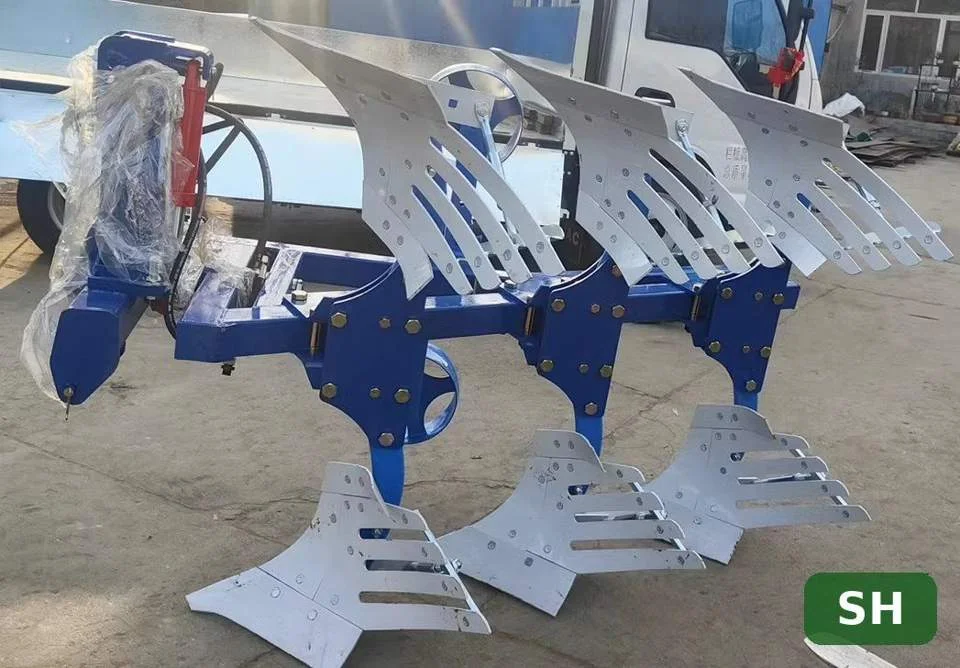
- Hydraulic reversible (1SH-345 to 1SH-545): 6–10 shares, 120–240 hp, 350–400 mm depth. Reversible ploughs throw every furrow the same way, leaving a level field with no dead furrows.
If you are still choosing a tractor, our tractor horsepower guide explains how to size power for ploughing.
Which Plough Should You Buy?
Choose a disc plough for new land, virgin or bush land, hard dry-season soil, stony fields and heavy clay that sticks to shares. It is a popular choice in many tropical and dry-land regions. Choose a mouldboard plough for established arable fields where you want full inversion, clean residue burial and a smooth seedbed. Field trials summarised in the FAO AGRIS database compare the performance of mouldboard and disc implements in upland soils.
After ploughing, level the field with a disc harrow and keep spare plough and harrow discs in stock for the season.
Related guide: Mouldboard plough guide: 15 sizes for 15–120 HP and reversible models
Disc Plough FAQ
Is a disc plough or mouldboard plough better for heavy clay?
Usually a disc model, because the rolling discs cut through sticky clay that tends to build up on a mouldboard.
How many discs can a 60 hp tractor pull?
A 3-disc plough with 660 mm discs (1SH-325) is matched to 50–70 hp tractors.
Can you supply ploughs together with tractors?
Yes. A tractor, plough and harrow can be shipped together in one container. See export and shipping.
Is a disc plow the same as a disc plough?
Yes. “Plow” is the American spelling and “plough” the British one, so a disc plow and a disc plough are the same tractor plough, and a moldboard plow is the same as a mouldboard plough. Buyers search with both spellings.
Which tractor plough suits a 100 hp tractor?
With about 100 hp, choose a 5-disc steel plate disc plow (1SH-525) for hard, stony or sticky soil, or a 5-share moldboard plow (1SH-530 for 80–100 hp, or the heavy 1SH-535) for clean arable fields. A tractor plough that is too big for the tractor wears the clutch and slows work.
Get a Plough Quote
Tell us the plough type, number of discs or shares, tractor horsepower, quantity and destination port, and we will reply with a quotation for your disc plough or mouldboard plough. Contact us on WhatsApp or browse all SH ploughs.
댓글
토론에 참여하려면 로그인해 주세요. 로그인 회원가입