
How We Pack Farm Machinery for Export: Real Photos
A tractor implement can be built perfectly and still arrive damaged if it is packed badly. Long sea voyages, port handling and inland trucking all put stress on machinery. For buyers importing farm equipment for the first time, knowing how machines are packed – and what to ask your supplier – helps avoid rust, bent parts and missing pieces. This guide explains farm machinery export packing – the common ways machines are packed for shipping – illustrated with real photos from our loading yard.
Why Farm Machinery Export Packing Matters
- Protection: machines must survive lifting, stacking and weeks in a container.
- Space: good packing fits more machines into each container, lowering freight cost per unit.
- Customs and inspection: clear, well-marked packages make checks faster at the destination port.
- Easy unloading: crates with forklift access save time and labour when the container arrives.
Steel Frame Crates
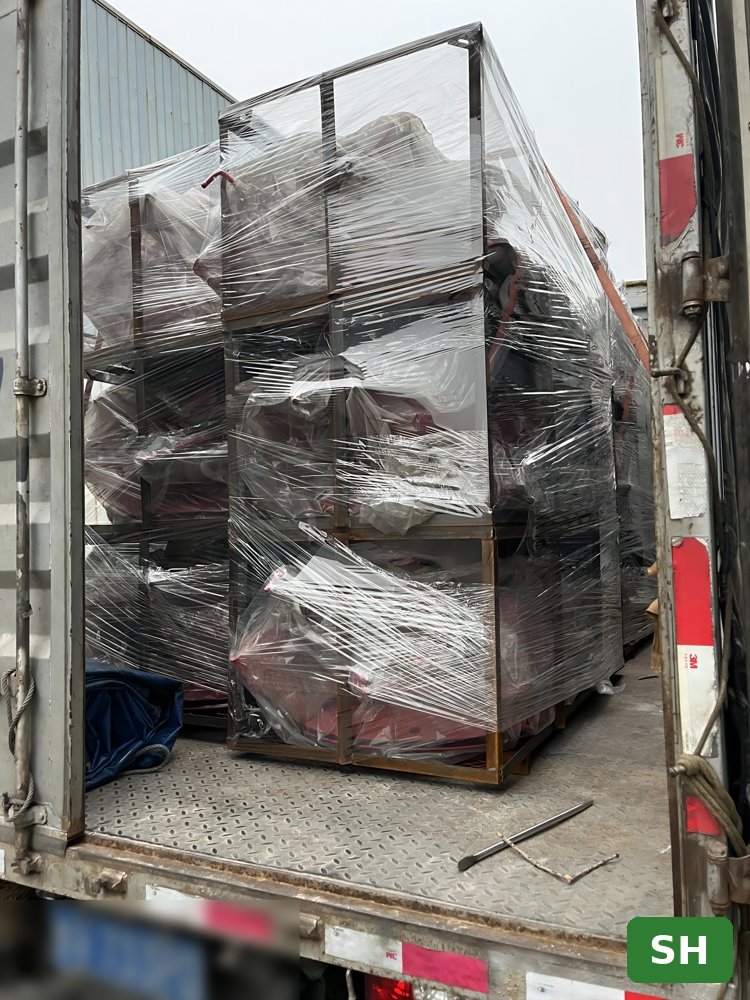
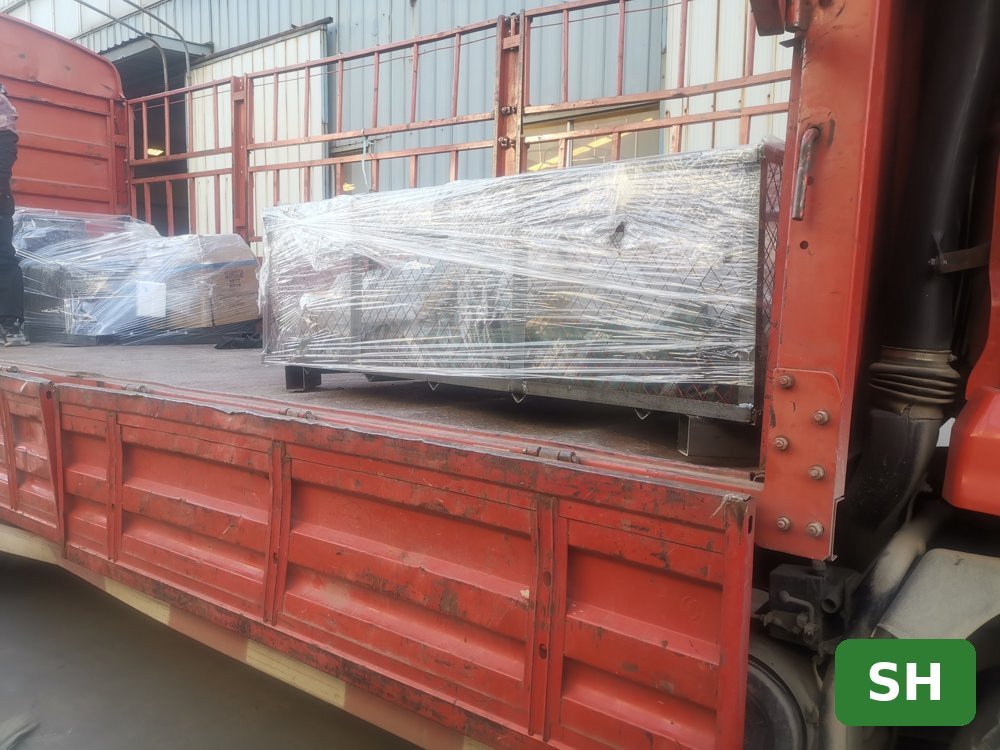
Heavier implements – disc harrows, ploughs, rotary tillers and balers – are usually packed in welded steel frames. The frame protects the machine, allows stacking and gives forklift access. The machine should be bolted or strapped inside so it cannot move.
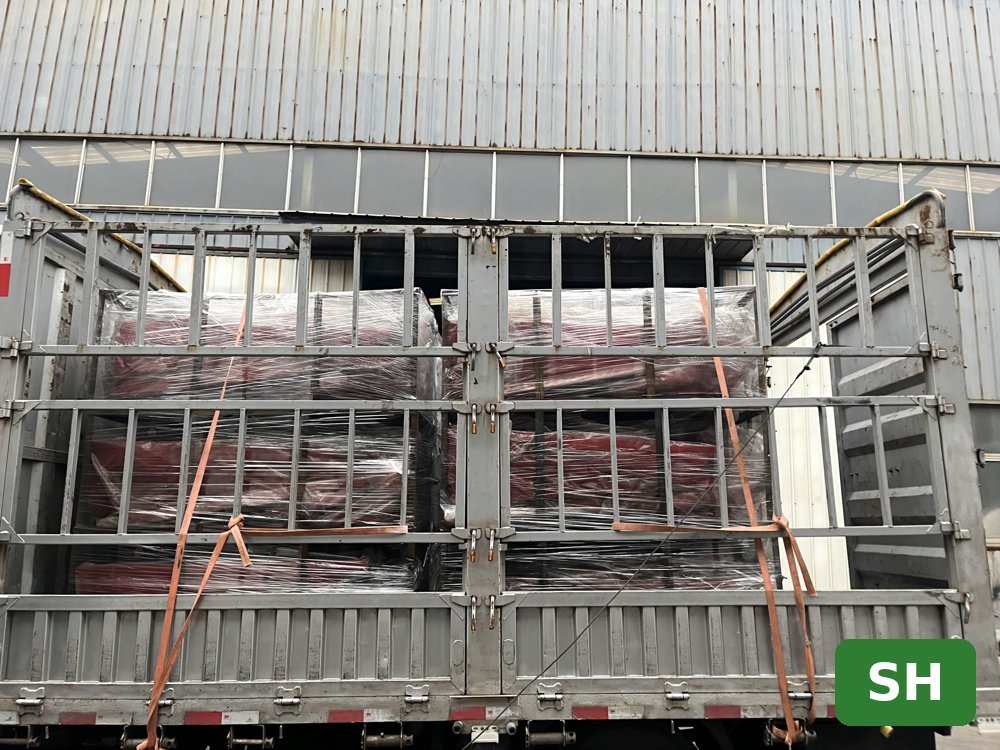
Machines such as mini round balers can be stacked two high in steel frames, which makes much better use of container space.

Stretch Film and Rust Protection
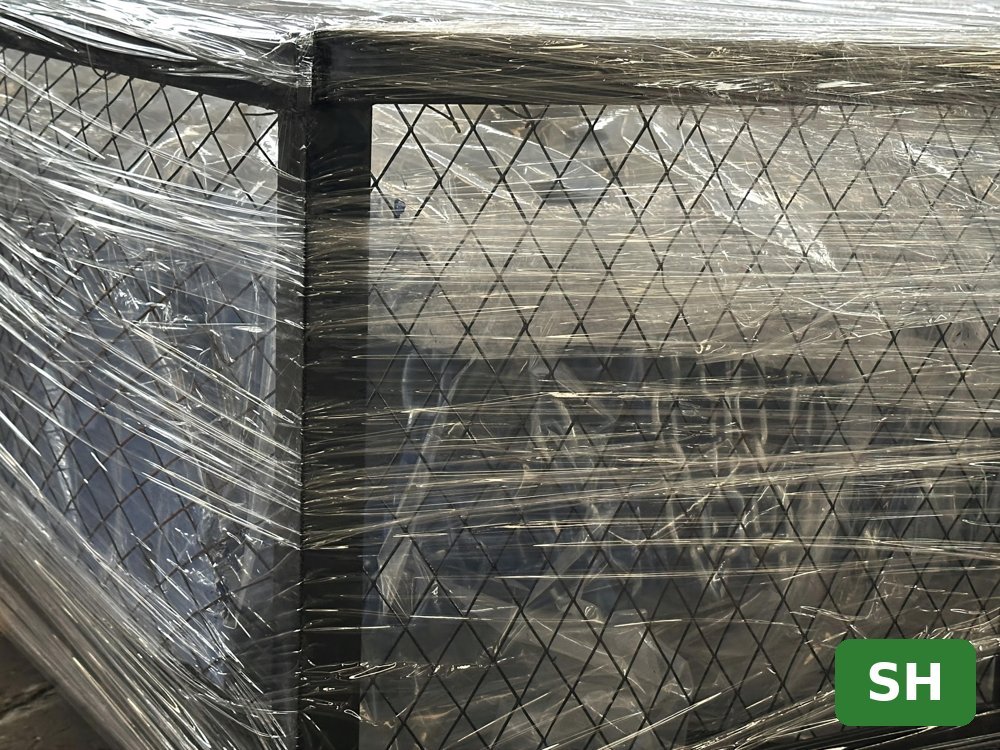
Crates are wrapped tightly in stretch film to keep out dust, rain and salt spray. Bare steel parts such as discs and blades should also be coated or oiled before wrapping, because condensation inside a container can cause surface rust on a long voyage.
Plywood Cases for Small Parts
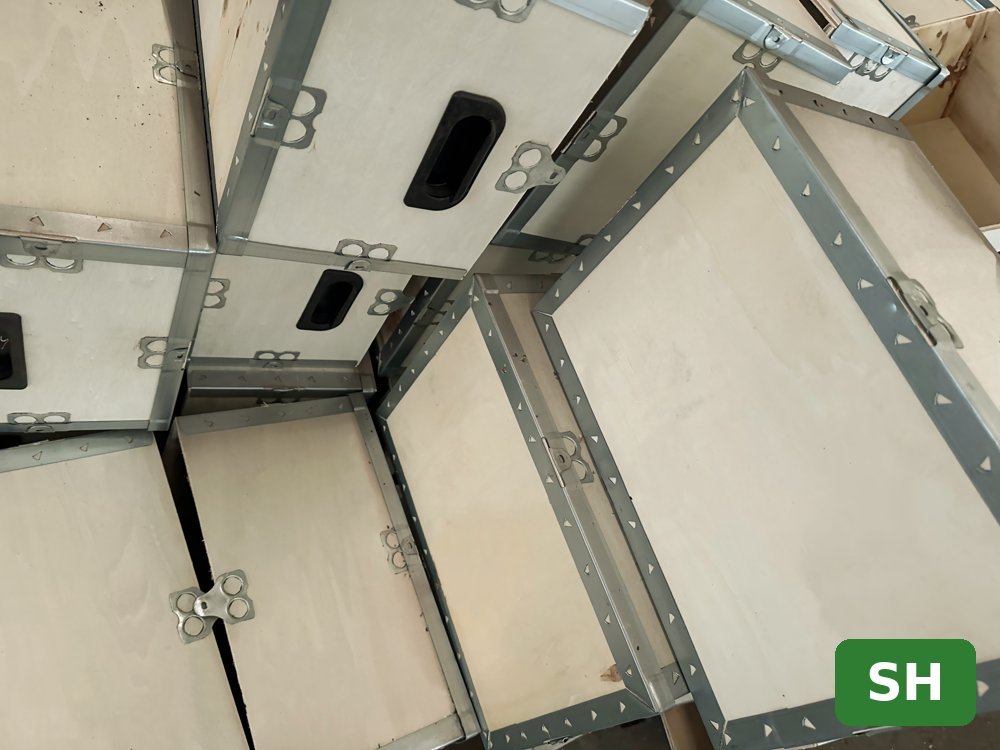
Spare parts, small attachments and tools are commonly packed in plywood cases with metal corners. Plywood is an engineered wood product and is generally outside the ISPM 15 heat-treatment and fumigation rules that apply to solid wood packaging, which can make customs clearance simpler. Always confirm the rules for your destination country.
Partly Assembled to Save Freight
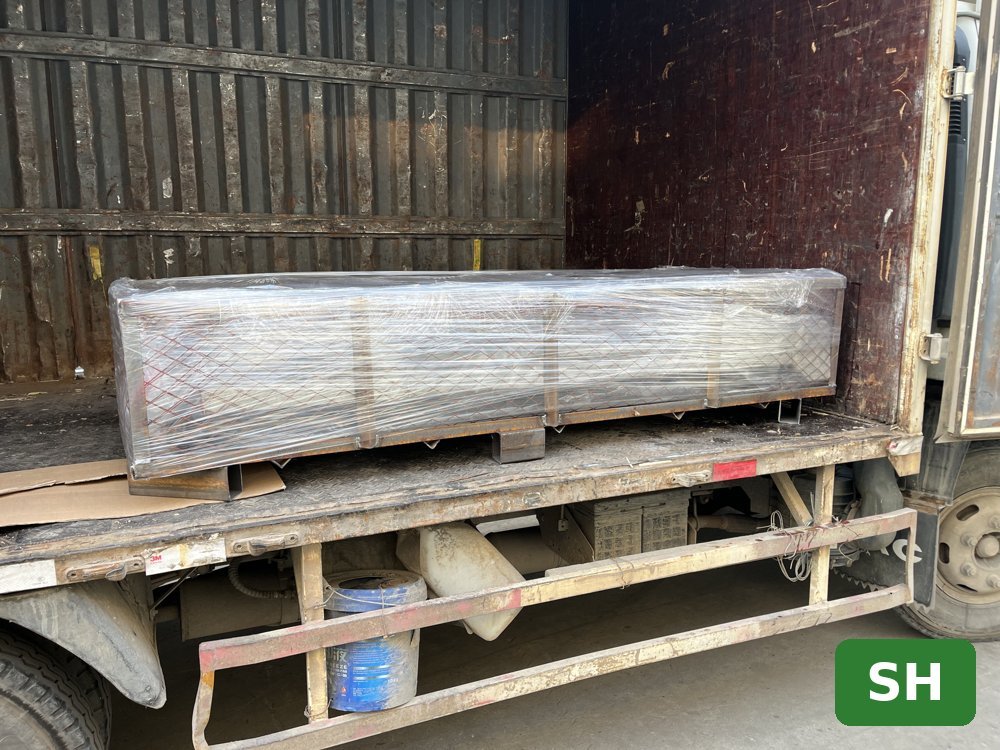
In agricultural machinery packing, many implements ship partly assembled. Long frames, wheels or seed boxes are removed and packed alongside the main body. This can greatly increase how many units fit in a container. Ask your supplier for assembly drawings and make sure all bolts and small parts are packed together and labelled.
Marking and Documents
Good export packing means each package carries a clear shipping mark with the buyer’s name, destination port, package number and gross weight. A packing list that matches these numbers lets you check quickly that everything has arrived, and helps customs officers find any item they want to inspect. Keep a copy of the packing list with the bill of lading and commercial invoice.
Container Loading and Securing
Packed crates are lifted by forklift onto trucks for the trip to port, then loaded into containers. Inside the container, crates are packed tightly, blocked and strapped so they cannot shift during the voyage.
What to Ask Your Supplier
- How will each machine be packed: steel frame, plywood case or film only?
- How many units fit in a 20 ft or 40 ft container?
- Which parts ship disassembled, and are assembly drawings included?
- How are bare steel parts protected against rust?
- Can you send photos of my order packed and loaded before the container is sealed?
Reliable machinery shipping is part of making machinery available to farmers, a theme in the FAO’s work on sustainable agricultural mechanization. Learn more about sea, air and rail options on our export and shipping page.
Not sure which model fits your tractor? Use our selection assistant, message us on WhatsApp +86 133 8469 2372 or .
FAQ
Do you send photos before shipping?
It is a reasonable request. Ask your supplier for photos of your goods packed and loaded before the container is sealed.
Is the wooden packaging fumigated?
Solid wood packaging must meet ISPM 15 rules in most countries; plywood cases are generally exempt. Requirements vary, so check them for your destination port.
Can I mix different machines in one container?
Usually yes. Combining tractors, implements and spare parts in one container is common and helps fill the space.
Get a Quote
Tell us the machines you need and your destination port, and we will plan the packing and container loading. Browse our tractors, harrows and ploughs.
Comments
Please log in to join the discussion. Log in Register