
Drum Mower Buying Guide: How It Works, Drum vs Disc, and How to Choose the Right Size

A drum mower is one of the simplest and most cost-effective ways to cut hay, grass and forage with a small or mid-size tractor. It cuts fast, rarely clogs, and needs very little maintenance. That is why farmers from Africa to Eastern Europe and South America choose it as their first hay mower.
In this guide, you will learn how a rotary drum mower works, how it compares with a disc mower, which size fits your tractor, and how to keep it running for years.
What Is a Drum Mower?
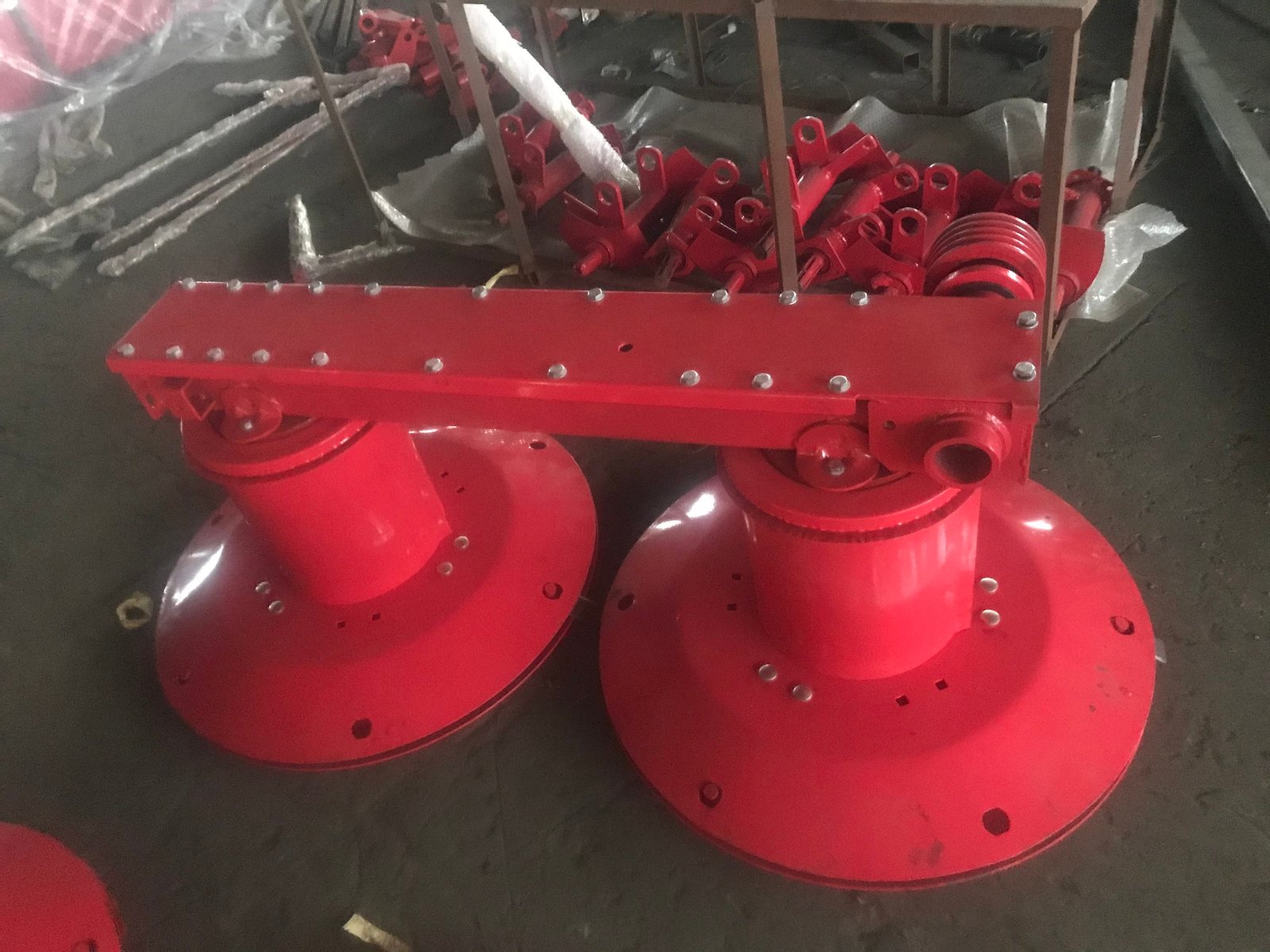
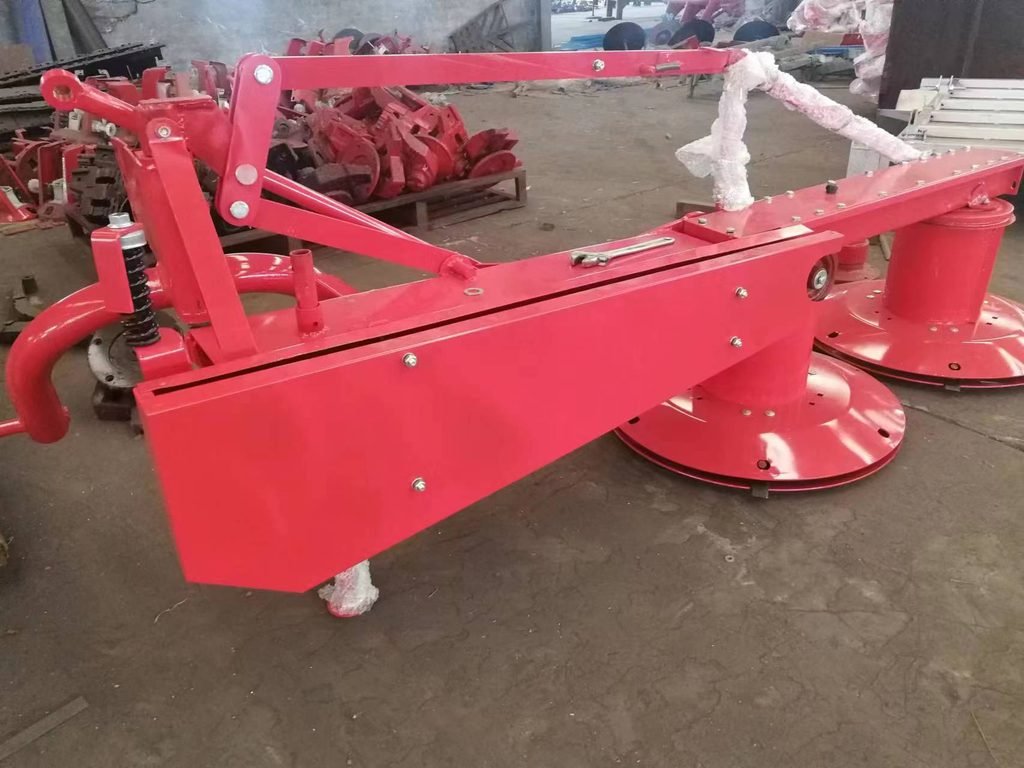
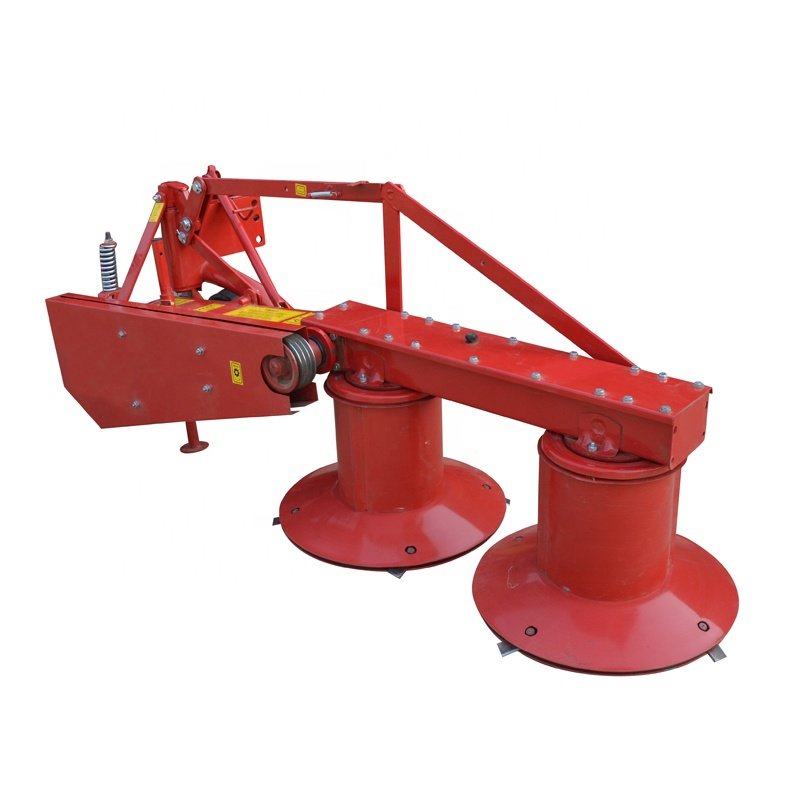
A drum mower is a tractor-mounted hay mower with two (sometimes more) large rotating drums. Each drum carries 3 or 4 free-swinging blades at its base. The mower hooks to the tractor’s three-point linkage and is driven by the PTO shaft at 540 rpm.
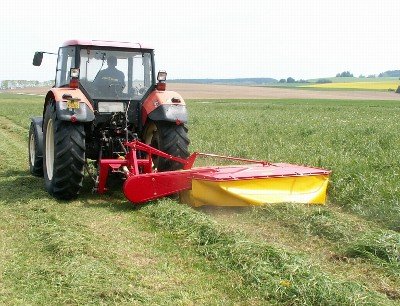
It is also called a rotary drum mower or simply a rotary mower. It is designed for cutting standing crops such as natural grass, alfalfa (lucerne), oats, sorghum and other forage, then laying them in a neat windrow for drying and baling.
How Does a Drum Mower Work?

The working principle is simple:
- The tractor PTO drives a gearbox or belt system mounted above the drums.
- The drums hang down from this frame and spin at high speed toward each other.
- Blades at the bottom of each drum cut the crop with an impact action, like a giant string trimmer.
- The two drums sweep the cut crop together into the middle, forming a tidy windrow behind the mower.
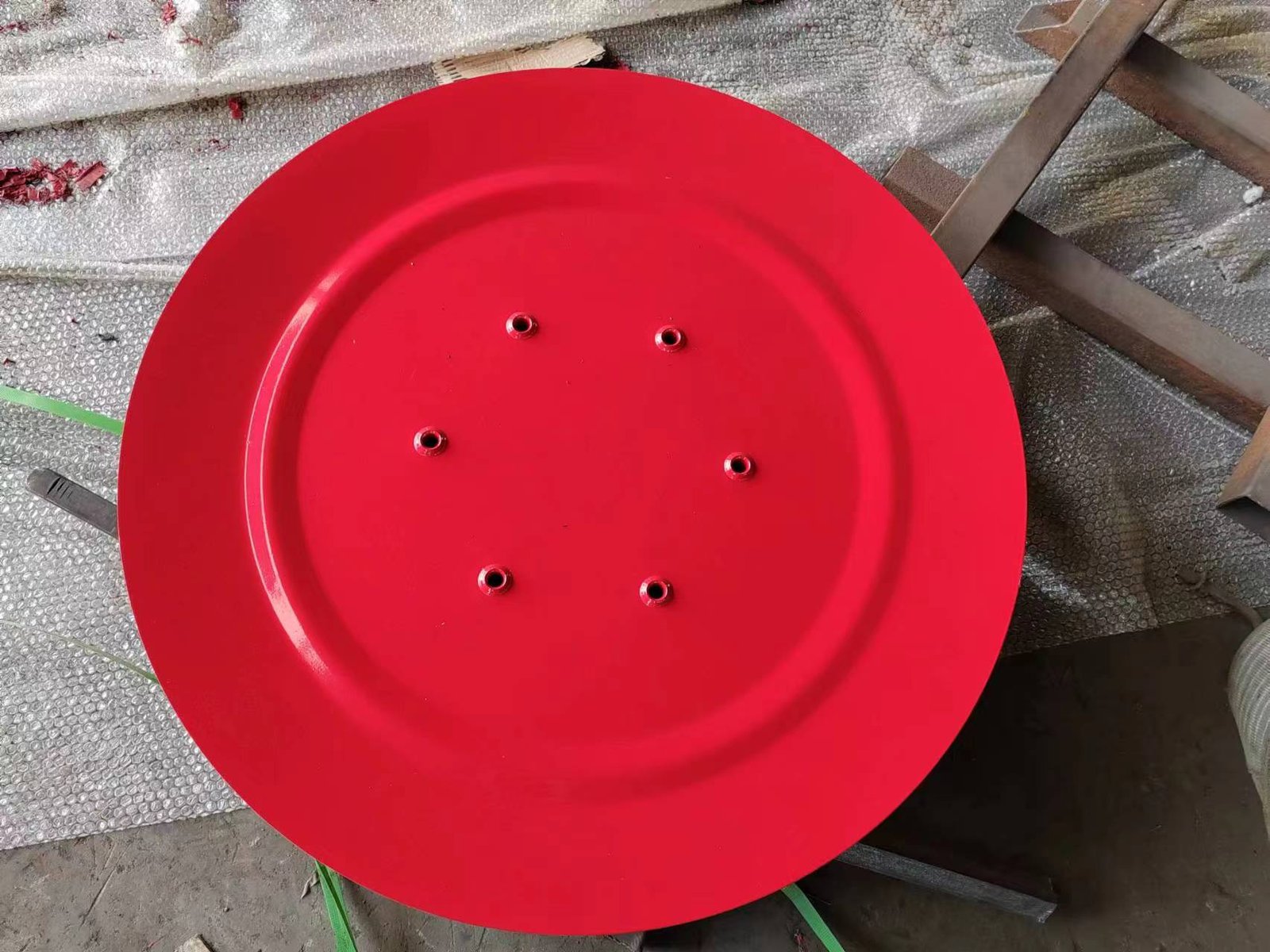
- Skid plates under the drums glide over the ground and set the cutting height.
Because the drive line sits on top and not along the ground, there is less friction and less chance of crop wrapping or blocking, even in heavy, tangled or wet grass.
Key Advantages of a Drum Mower
- Almost never clogs: handles thick, lodged or wet crops better than a sickle bar mower.
- Low cost: usually much cheaper than a disc mower of the same width.
- Works with small tractors: smaller models run on tractors from about 20–30 HP.
- Simple design, few moving parts: easy to service, spare blades are cheap and quick to change.
- Fast work speed: typically 8–10 km/h in the field.
- Clean windrows: crop is laid in a narrow row, ready for raking and baling.
- No external hydraulics required on mechanical-lift models.
Drum Mower vs Disc Mower: Which Is Better?
Both are rotary mowers, but they are built differently. A disc mower has a low cutter bar with several small discs and the gears run inside the bar along the ground. A drum mower has fewer, larger drums with the drive mounted overhead.
| Feature | Drum Mower | Disc Mower |
|---|---|---|
| Price | Lower | Higher |
| Cutting width | 1.35 – 1.95 m (typical) | 1.65 – 3.5 m+ |
| Tractor size | Small to mid-size (from ~20 HP) | Mid-size to large |
| Blockage in heavy crop | Very rare | Occasional |
| Maintenance | Simple, few parts | More gears and bearings |
| Weight per metre of width | Heavier | Lighter |
| Best for | Small and medium farms, rough or heavy grass | Large fields, high daily output |
Our advice: if you farm small to medium fields, use a tractor under 75 HP, and want a reliable mower on a limited budget, a drum mower is the better value. If you need cutting widths above 2 m or mow hundreds of hectares per season, a disc mower is usually more efficient.
How to Choose the Right Drum Mower Size
Match the mower width to your tractor’s horsepower. The table below shows typical sizes. Exact figures vary by model, so always check the spec sheet.
| Model | Cutting Width | Drums / Blades | Tractor Power | Weight | Capacity |
|---|---|---|---|---|---|
| SH-DM135 | 1.35 m | 2 / 6 | 20–30 HP | approx. 300 kg | approx. 1.0 ha/h |
| SH-DM165 | 1.65 m | 2 / 6 | 30–50 HP | approx. 360 kg | approx. 1.5 ha/h |
| SH-DM185 | 1.85 m | 2 / 6–8 | 50–75 HP | approx. 410 kg | approx. 1.8 ha/h |
All models: rear three-point mounting (Cat. I/II), PTO speed 540 rpm, working speed 8–10 km/h.
Questions to ask before you buy
- What is your tractor’s PTO horsepower and three-point linkage category?
- Do you mow flat fields or slopes and uneven ground?
- What crops do you cut: grass, alfalfa, or tall forage like sorghum?
- Do you prefer mechanical lift or a hydraulic lifting cylinder?
- How easy is it to get spare blades and skid plates in your country?

Drum Mower Maintenance Tips
- Check blades daily. Replace bent, cracked or worn blades in pairs to keep the drums balanced.
- Tighten blade bolts before each working day; loose bolts cause vibration and damage.
- Grease the PTO shaft and bearings every 8–10 working hours.
- Check belt tension (belt-driven models) and gearbox oil level regularly.
- Inspect skid plates for wear; worn plates change the cutting height.
- Clear the field of stones, wire and stumps before mowing.
- Store indoors after the season, clean and greased, to prevent rust.
Safety Reminders
- Never stand near the drums while the PTO is engaged.
- Keep the safety guards and canvas covers in place.
- Disengage the PTO and stop the engine before cleaning or changing blades.
- Use the correct PTO shaft length to avoid damage when raising the mower.
Related guide: our sickle bar mower vs disc mower compares reciprocating and multi-disc mowers and explains when a rotary slasher fits better.
Related guide: Disc Mower Sizes: 4 to 8 Discs for 40–90 HP Tractors
Frequently Asked Questions
What horsepower do I need for a drum mower?
A 1.35 m drum mower can run on a tractor from about 20–30 HP. A 1.65 m model typically needs 30–50 HP, and a 1.85 m model 50–75 HP.
Is a drum mower better than a sickle bar mower?
For most farms, yes. A drum mower works faster, rarely clogs and needs less adjustment. A sickle bar uses less power but is slower and more sensitive to heavy or wet crops.
Can a drum mower cut alfalfa?
Yes. Drum mowers cut alfalfa, natural grass, oats, sorghum and other forage crops cleanly.
How often should I change drum mower blades?
Inspect them every day. Replace them when they are bent, chipped or worn short, usually after every season of regular use.
Does a drum mower need tractor hydraulics?
No. Standard models lift with the three-point linkage. A hydraulic lifting cylinder is an optional upgrade.
Which drum mower for tractor of 40 HP?
For a 40 HP tractor, the 1.65 m SH-DM165 is the usual choice; it is listed for 30–50 HP. If your tractor is 20–30 HP, choose the 1.35 m drum mower for tractor use, the SH-DM135.
Drum mower vs disc mower: which should a small farm buy?
For small and medium farms with tractors under 75 HP, a drum mower is usually the better value: it costs less, rarely clogs and has fewer parts. A disc mower makes sense for widths above 2 m and very large areas.
Is a drum mower a good hay mower for rough grass?
Yes. Because the drive sits above the drums, a rotary drum mower handles thick, lodged or wet grass that can block other mowers, which makes it a reliable hay mower for natural pasture and forage crops.
After mowing, rake the crop and bale it with a square or round baler, or read our square baler vs round baler guide. See all mowers in our range. For background, the FAO explains how the right equipment supports sustainable agricultural mechanization.
Buy Drum Mowers Direct from the Factory
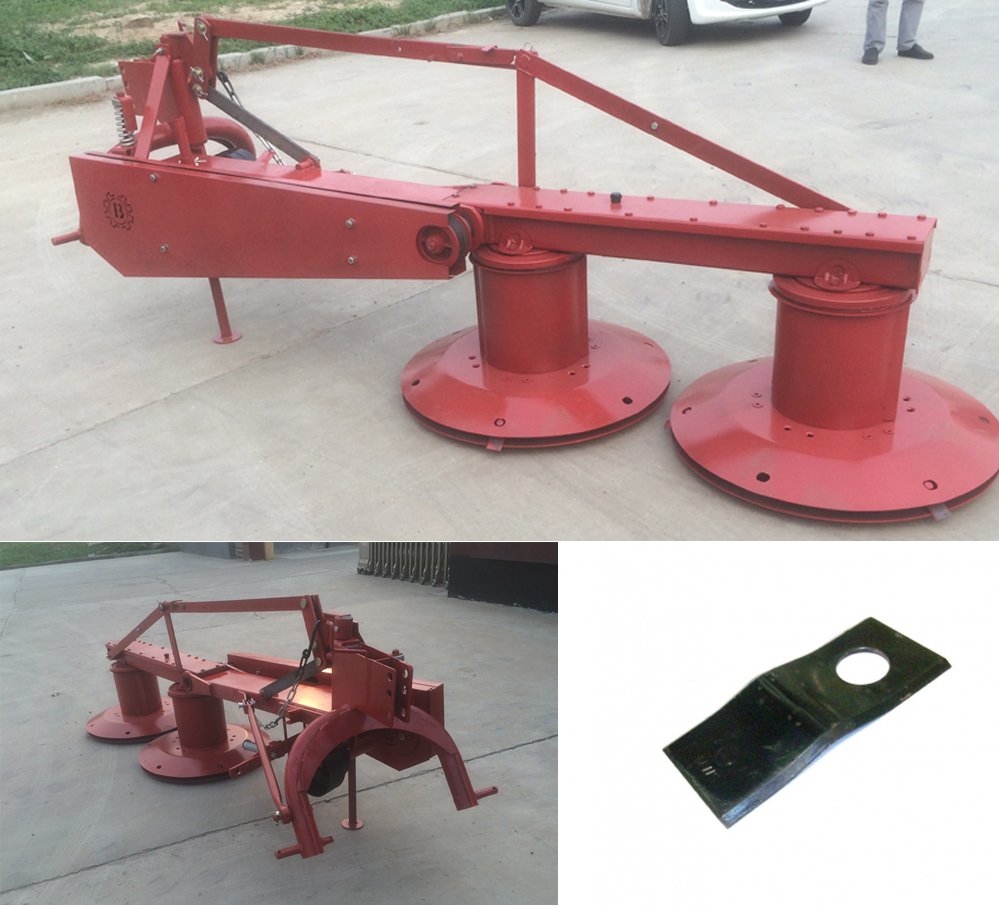
ShengHang supplies rotary drum mowers in 1.35 m, 1.65 m and 1.85 m widths, together with tractors, rakes, balers and other hay equipment. We export worldwide by sea, rail and air from Shandong, China.
Need a quote or help choosing the right model? Contact Lucas Xu on WhatsApp +86-13384692372 or email xsh13384692372@gmail.com. Tell us your tractor model and crop, and we will recommend the right drum mower for your farm.
댓글
토론에 참여하려면 로그인해 주세요. 로그인 회원가입