
Manure Spreader Wagon Guide: 4 Sizes from 1,400 to 7,500 L and 6 Tips for Even Spreading
A manure spreader wagon turns a pile of farmyard manure, poultry litter or compost into an even layer of nutrients across the field, in a fraction of the time it takes with a trailer and forks. This guide explains how a trailed spreader works, compares our four sizes from 1,400 to 7,500 litres, and gives six practical tips for spreading evenly with a manure spreader for tractor use.
Not sure which size you need? Tell us your tractor HP, the material and your farm size on WhatsApp +86 133 8469 2372 or and we will recommend a model.

How a Manure Spreader Wagon Works
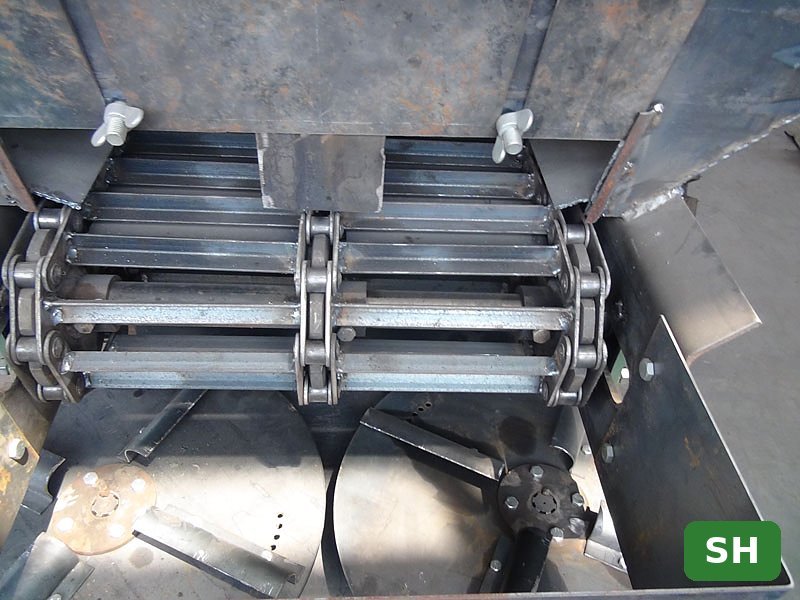
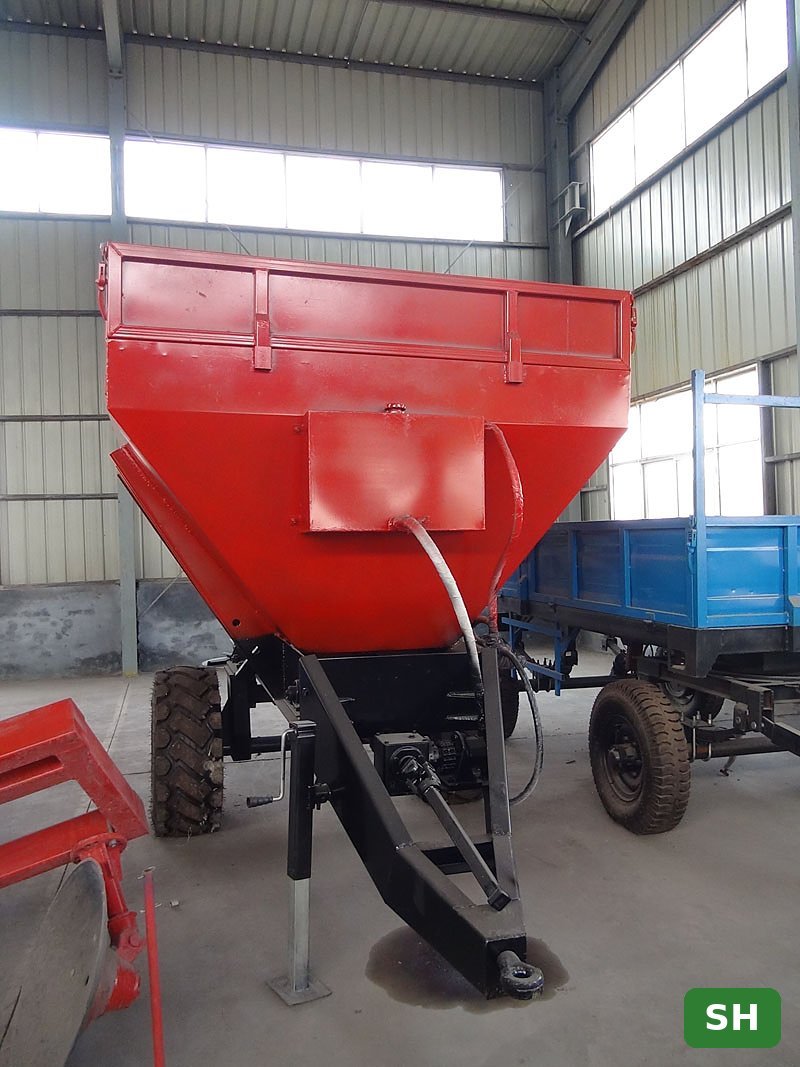
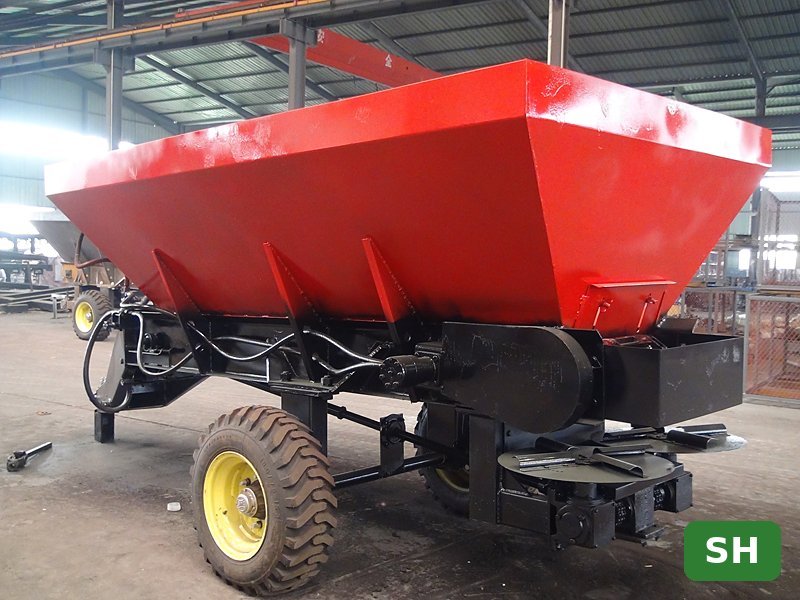
The wagon is a trailed box on a single axle, hitched to the tractor drawbar and driven by the PTO at 540 r/min through a 6-spline shaft. Inside the box, a chain floor conveyor slowly carries the load towards the rear. There, spinning discs or beaters break up lumps and throw the material out in a wide band behind the machine.
The speed of the floor conveyor controls how much material leaves the box, and the discs control how wide it goes. Because the whole system is driven from the tractor, one person can load, drive and spread without leaving the seat.
What Can a Compost Spreader and Organic Fertilizer Spreader Handle?
A trailed manure spreader for tractor work is built for bulky, moist material that will not flow through a small hopper:
- Farmyard manure from cattle, sheep and goats
- Poultry litter and pig manure mixed with bedding
- Finished compost and mushroom compost
- Pelleted or crumbly organic fertilizer
Used as a compost spreader or organic fertilizer spreader, the same machine returns organic matter to the soil and cuts the cost of bought fertilizer. For dry granular fertilizer, lime or seed, a three-point spinner spreader is faster and more accurate; our article on manure spreader vs fertilizer spreader explains the difference.
WSH Manure Spreader Wagon Models and Specifications
Our WSH series is listed on the manure spreaders page. All four models spread 6–15 m wide, depending on the material.
| Model | Capacity (L) | Working width (m) | Matching power (hp) | PTO speed (r/min) | PTO splines | Weight (kg) |
|---|---|---|---|---|---|---|
| WSH-2500 | 1400 | 6–15 | 50–60 | 540 | 6 | 970 |
| WSH-5500 | 2300 | 6–15 | 70–80 | 540 | 6 | 1350 |
| WSH-7500 | 3750 | 6–15 | 90–100 | 540 | 6 | 1500 |
| WSH-12000 | 7500 | 6–15 | ≥100 | 540 | 6 | 2300 |
How to Choose the Right Size Trailed Spreader
- Start with the tractor. Every manure spreader for tractor use lists a matching power range. The WSH-2500 suits 50–60 HP; the WSH-12000 needs 100 HP or more. A loaded trailed spreader is heavy, so your tractor must brake and steer it safely on slopes.
- Count the loads. Work out how much manure you spread each year and how far the field is from the heap. A bigger box means fewer trips on the road.
- Check the field and gateways. A large wagon on small, wet fields causes compaction and may not fit through narrow gates.
- Think about loading. Match the box height to your front loader or excavator.
6 Tips for Even Spreading
- Keep the PTO at 540 r/min. Engine speed changes the throw width; drive at constant rpm.
- Set the floor speed, then test. Spread one load over a measured area, calculate tonnes per hectare and adjust the conveyor speed or forward speed.
- Overlap correctly. The edges of the spread band receive less. Space passes so each one overlaps the last according to the effective width for your material.
- Break up the heap. Lumpy, frozen or very long-straw manure spreads unevenly. Mix the heap or let it compost first.
- Load evenly. Fill the box level so the conveyor feeds the discs steadily from start to finish.
- Watch the weather and soil. Do not spread on frozen, waterlogged ground or just before heavy rain, when nutrients wash away.
Care and Maintenance of a Manure Spreader Wagon
Manure is wet and corrosive. Wash the box, chains and discs after every use, especially before storing the machine. Grease the PTO shaft, gearbox input and disc bearings regularly, and check gearbox oil before the season. Inspect the floor chains for stretch and adjust the tension evenly on both sides; a loose chain can jump the sprocket. Check tyre pressure, wheel nuts and the drawbar pin before every trip on the road. Store under cover and oil bare steel parts.
A spreader is one part of a complete line. Move extra manure or bedding with a farm trailer, and work it into the soil afterwards with a disc harrow or rotary tiller.
Returning manure and compost to the field is a core part of sustainable soil management. The FAO’s work on sustainable agricultural mechanization covers efficient nutrient application.
Livestock farm or compost business? Send your annual manure volume and tractor HP on WhatsApp +86 133 8469 2372 or for a matched quote.
FAQ
What size manure spreader wagon do I need for a 60 HP tractor?
The WSH-2500 with a 1,400 L box is matched to 50–60 HP tractors.
How wide does a trailed spreader spread manure?
Our WSH models spread 6–15 m, depending on the material. Dry, crumbly compost goes wider than wet, heavy manure.
Can I use it as an organic fertilizer spreader for pellets?
Yes, but for large areas of pellets or granular fertilizer, a three-point disc spreader gives a more precise rate.
Is a manure spreader wagon worth it on a small farm?
If you spread manure or compost on more than a few hectares a year, yes. It saves days of hand work and spreads far more evenly, so you get more value from the nutrients.
Get a Quote
Send us the model, quantity, tractor HP and destination port. Message us on WhatsApp +86 133 8469 2372 or see all models on our manure spreaders page.
ความคิดเห็น
โปรดเข้าสู่ระบบเพื่อร่วมสนทนา เข้าสู่ระบบ สมัครสมาชิก